Welcome to Puāwai
Nourish to Flourish - Mind Body and Soul
Welcome to Puāwai, I'm Karen Murphy a registered naturopath and an ACC registered Rongoā Māori practitioner, located in Warkworth, New Zealand. I work with and support you to prevent illness and explore underlying factors contributing to your health concerns.
Services
Natural Health Solutions
Connect with me at Puāwai for your personalised holistic health and wellness plan. A plan that is achievable and realistic for your lifestyle.
Naturopathy
A holistic, personalised and multidisciplinary approach that identifies the root causes of disease and it's symptoms, using herbal medicines, nutritional adjustments and lifestyle modifications.
Read more →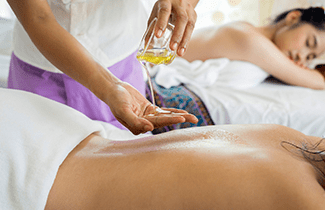
Therapeutic Massage
Relief to aching overused muscles, and restoring balance to the body and mind by allowing you the time to stop, relax, re centre and re energise.
Read more →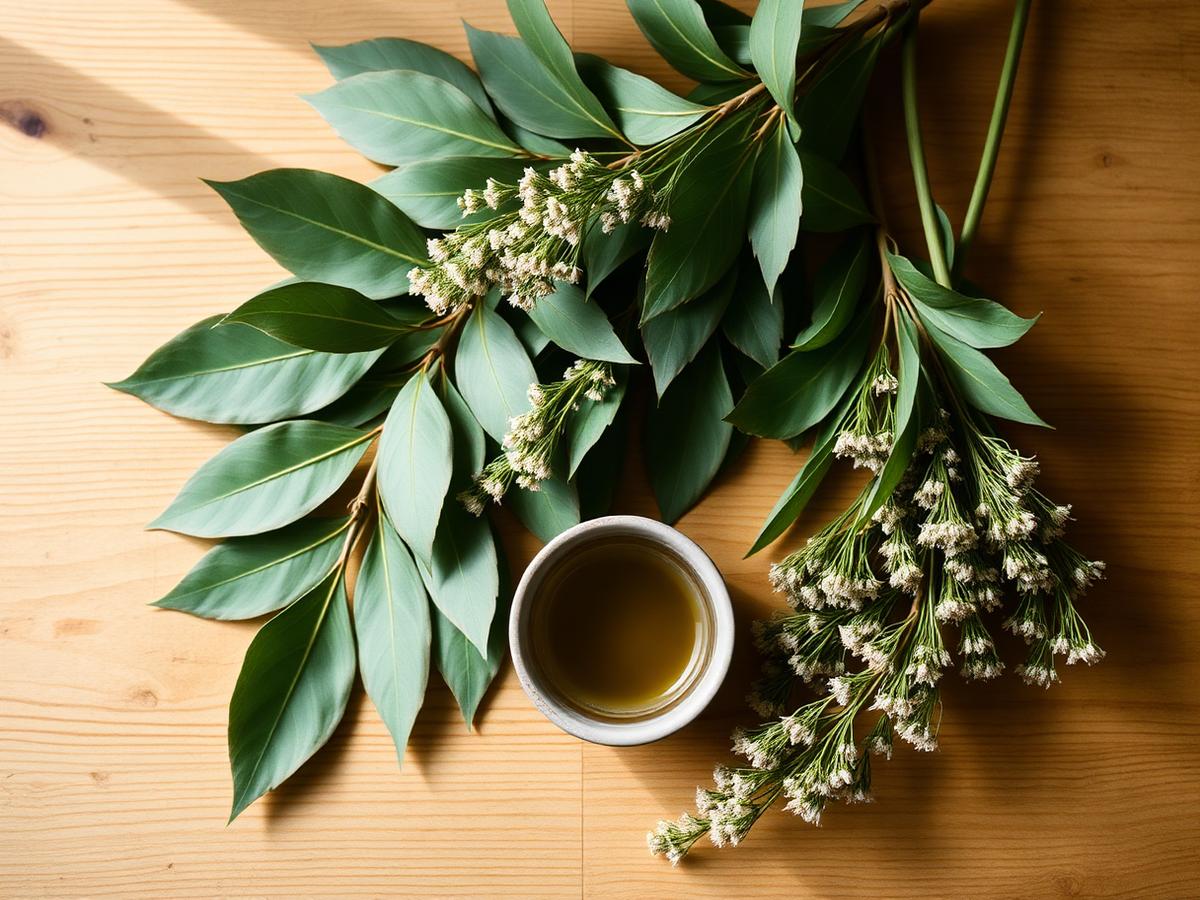
Rongoā Māori
As an ACC registered Rongoā Māori practitioner, I offer mirimiri, romiromi and native plant preparations, drawing on connection with the land, sea and whānau.
Read more →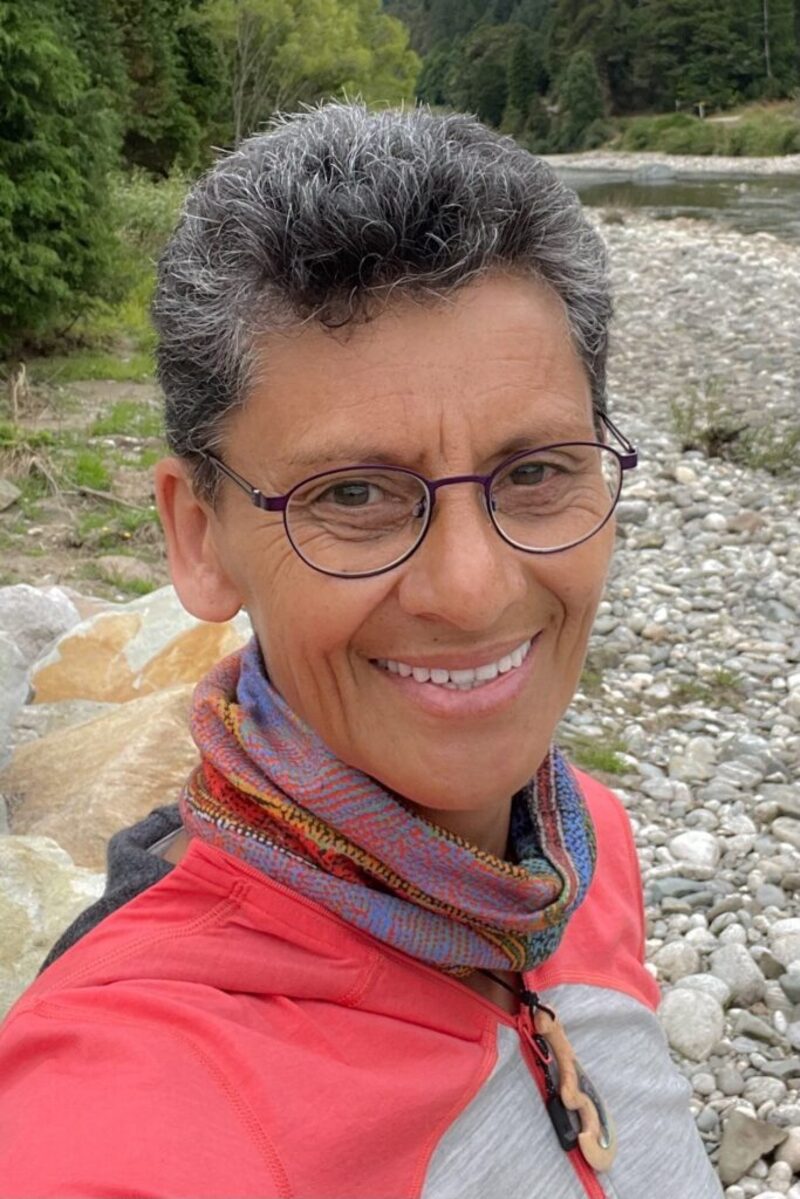
Karen Murphy
A unique lens to health
I have a special interest in supporting first responders and athletes who are or have experienced; trauma, stress, anxiety, fatigue and depression. I understand and acknowledge these dynamics, having served the community for almost 30 years as a Police officer.
I'm also a former World teams and NZ champion in mountain running, NZ champion and record holder for the steeplechase, (2000m and 3000m) and NZ champion in cross country and 3000m. I draw on my Māori and Pasifika heritage to provide a unique lens to health, where connection with the land, sea and whānau are essential elements for healing and wellbeing.
How I work with you
Nourish to flourish
I'm passionate about nourishing and supporting your mind, body and soul, to enable you to flourish and achieve your full health potential.
- I will support you to understand the underlying causes of your health concerns.
- I will provide you with a unique combination of natural health solutions: herbal medicine, nutritional support, lifestyle adjustments, mind-body practices and emotional release techniques, within a safe and supportive environment.
- Bring balance to your life, improve your self-confidence, energy and joy. Be inspired to be the author of your health journey.
- As an ACC registered Rongoā Māori practitioner, you can easily access support, including through NIB and Southern Cross Health Society.
Appointments
How we get started
I am happy to discuss your health concerns with a free 15min complimentary call if desired.
- 01
Initial Consultation
At your initial consultation we will explore extensively your current health status. I will undertake a thorough investigation of your main presenting symptom(s), to address your specific needs and goals.
- 02
Health Plan Presentation
We discuss any additional test results, action already commenced, your personalised long term health plan and its implementation, and expectations for the next 3-4 weeks.
- 03
Follow-up Consultations
It's essential to review your health plan every 4-6weeks, which will help maintain your momentum, with my ongoing support, and ensures any adjustments are undertaken in a timely manner.
Not sure where to start?
I am happy to discuss your health concerns with a free 15min complimentary call if desired.